
Summary: decision analysis can help ensure that insurance prioritizes patient utility—at the individual and collective level.
I previously described decision analysis, a well-known framework for medical decision-making. As a follow up, I described the patient and provider roles in a decision analysis (specifying utilities, 


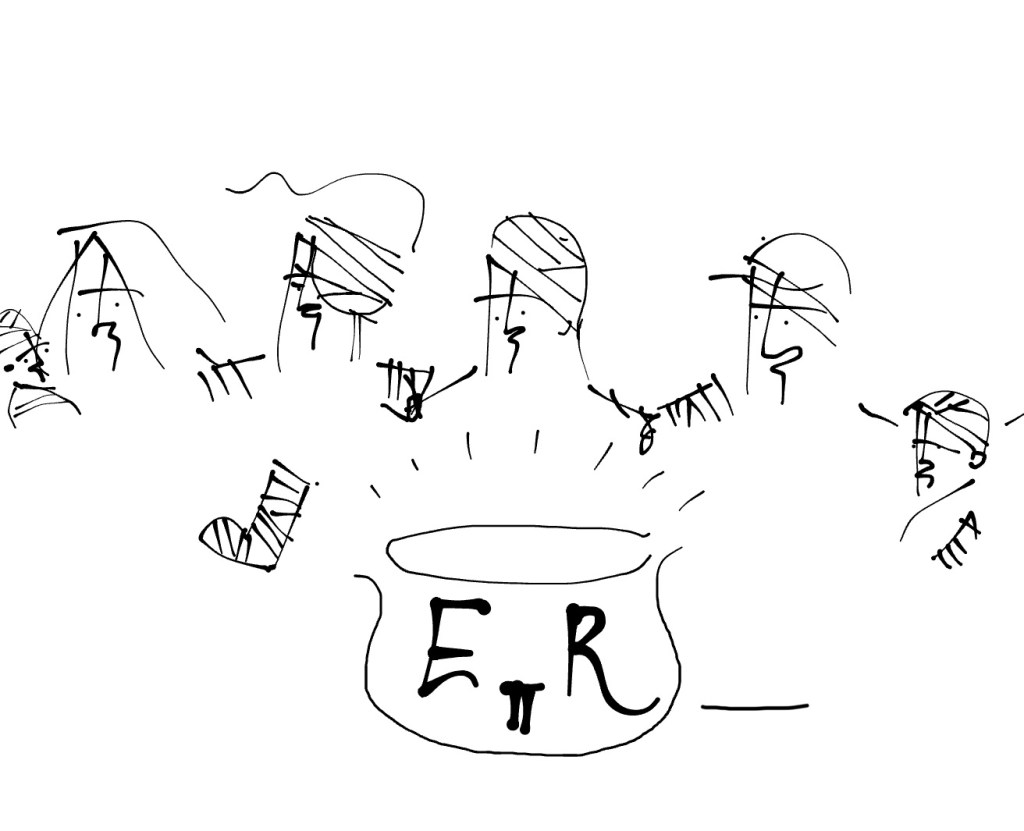
Insurance allows people to help one another pay for healthcare services. Due to high costs of healthcare, this is important. However, from a medical decision-making standpoint, it is problematic when insurance is coordinated by a for-profit company, which might have incentive to deny claims. Doing so is not a great business strategy, but it can be done in subtle ways. For example, a company might deny claims for time-intensive lifestyle counseling and approve the quick prescription of symptom-alleviating medications. This can exert pressure on entire sub-fields of medicine.
A decision analysis makes it difficult to unjustly deny a claim, because it facilitates a structured, documented discussion between the patient, provider, and payer. For example, with a decision analysis, in order to deny a claim, an insurance company has to challenge the probability of the outcome, 

This said, insurance is complex. Entities that coordinate insurance must cover a large number of patients who may fall ill at any time. This involves tradeoffs. For example, it might be important to deny claims for costly, after-the-fact healthcare interventions in favor of more preventive strategies. Or, it might be important to allocate more funds toward helping sick children. At a population level, the documentation from a decision analysis, which includes quantities such as 
Overall, decision analysis, in its formalism and transparency, protects the individual patient from unjust, profit-oriented denials, and also helps us better coordinate insurance for the collective good.
 Statistics, medicine, and humanity
Leave a comment